
Teh Green Series - Article 5 Part 1
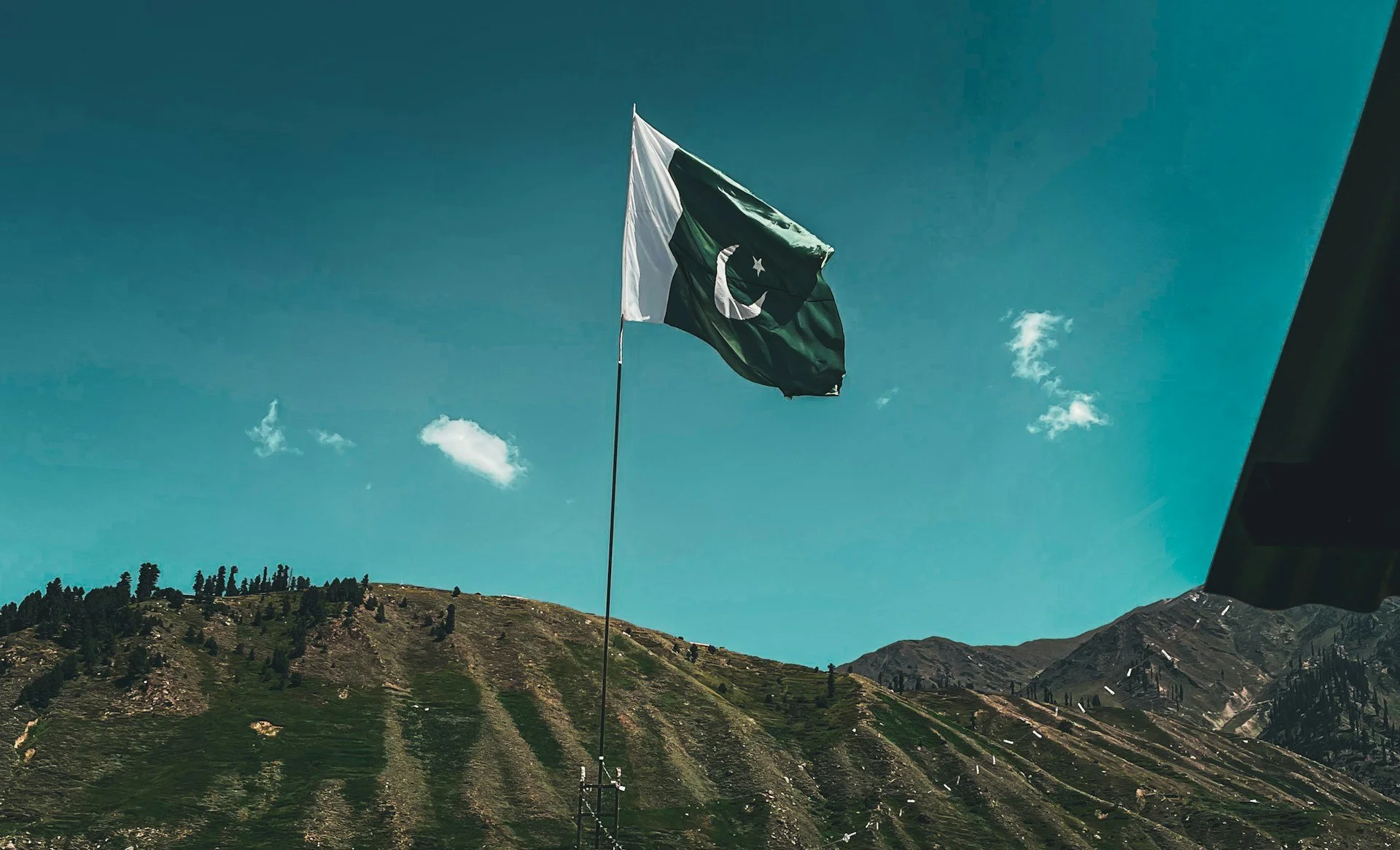
Photo by Ali Khokhar on Unsplash
A Net Zero Energy Building (NZEB) is one in which the consumption of energy throughout the year is equal to the energy produced on site using renewable resources. The NZEB functions in a two-way manner. It can consume electricity from the grid as well as supply the same to the grid. There are several factors that generally affect the plan and strategy of a building. In order to achieve an affective NZEB, one may need to consider the following factors:
a. Amount of energy a building consumes,
b. The number of people it may accommodate,
c. The climatic conditions,
d. The location of the building,
e. Renewable resources most suitable for on-site production,
f. An operative computer to manage the flow of energy to and from the building g. And the battery energy storage system.
Net Zero Energy Building (NZEB) is an effective solution to conserve energy and limit carbon emissions which are threat to the environment. 3. Renewable Energy Sources And NZEB: Renewable Energy Sources (RES) can be regarded as the key factors in improving the environmental conditions worldwide. That is why many developed and developing countries including Pakistan have taken the following initiative to promote NZEBs:
a. Solar Photovoltaic Systems: Solar systems are one of the widely used RES due to their low cost and operational feasibility. The increasing long-term energy demands of the consumers may be compelling many developed countries to use Solar photovoltaic (PVs).
b. Wind Turbine Systems: Net zero energy turbine homes are considered as the homes that consumes wind energy generated power and consume this power in NZEB system. Wind Turbine systems may also be a good RES choice for NZEBs but may be costlier and may require a large area due to the varying wind speed with the basic requirement of a location.
Energy Storage Systems: Battery Energy Storage System (BESS) is considered most common among ESSs. BESS is used for energy time-of-use arbitrage ( TOU) which is the practice of storing electricity in a battery when grid prices are low (off-peak) and using or selling that stored power when grid prices are high (peak), allowing homes and businesses to lower their electricity bills.[3]
Building Energy Management System: A NZEB comprises of effective Building Energy Management Systems (BEMS) which is aimed to increase energy efficiency levels while integrating the RESs into the system.
Net-Zero Energy Healthcare Facilities In Pakistan: Net-zero energy healthcare facilities are achievable in Pakistan. Some feasibility reports demonstrate that combining renewable energy generation (like solar microgrids) with aggressive passive design and energy efficiency measures is highly viable, resulting in low operational costs and rapid payback periods for the initial capital investment. There are many modern greenfield hospital projects completed and being planned in Pakistan.
The Allama Iqbal Memorial Teaching Hospital, Sialkot, Shaukat Khanum Memorial Cancer Hospital & Research Centre (SKMCH&RC) Lahore & Peshawar, Indus Hospital and Health Network (Karachi) and Evercare Hospital, Lahore (New Build Template) serve as a template for new green construction and case study in operational sustainability. Following are the case studies of hospital adopting zero metering systems:
a. Upgradation of Allama Iqbal Memorial Teaching Hospital, Sialkot: The retrofit included a major overhaul of the HVAC and electrical systems to reduce power consumption. Variable Refrigerant Flow (VRF) systems and smart climate controls were integrated to ensure energy efficiency and optimal indoor air quality.
b. Shaukat Khanum Memorial Cancer Hospital & Research Centre (SKMCH&RC) (Lahore & Peshawar): To combat high utility costs, the facility retrofitted its sprawling roofs with large-scale solar photovoltaic (PV) systems to offset daytime electricity consumption. The hospital transitioned away from traditional lighting by retrofitting the facilities with energy-efficient LEDs. The integration of automated HVAC sensors helped drastically reduce overall traditional grid reliance. Indus Hospital, Karachi (Retrofitting & Sustainable Operations): Hospital utilized solar power to manage operating costs, utilized clean energy for grid-tied operations to offset carbon emissions and combat power shortages.
Few other hospitals in Karachi such as Jinnah Postgraduate Medical Centre (JPMC), PNS SHIFA and Liaquat National while conversing to a green building followed Net-Metering Adoption.
As one of Pakistan's largest public hospitals, JPMC partnered with the World Bank and the Sindh Energy Department to install a 1.59-Megawatt solar energy system across 14 of its buildings and parking areas. This cut significant greenhouse gas emissions and ensures uninterrupted power for critical care.
References
1. J. Bratley, "How to conserve energy," [Online]. Available: https://www.clean-energy-ideas.com/energy/energy-conservatio conserve-energy.
2. /how to D. Crawley, S. Pless and P. Torcellini, "Getting to Net Zero," Ashrae journal, 2009 3. P. Torcellinii, S. Pless, M. Deru and D. crawley, "Zero Energy Buildings.A critical look at the definition," 2006.