
Sustainable Building Materials in Hospital Construction
The Green Series - Article 2 Part 5
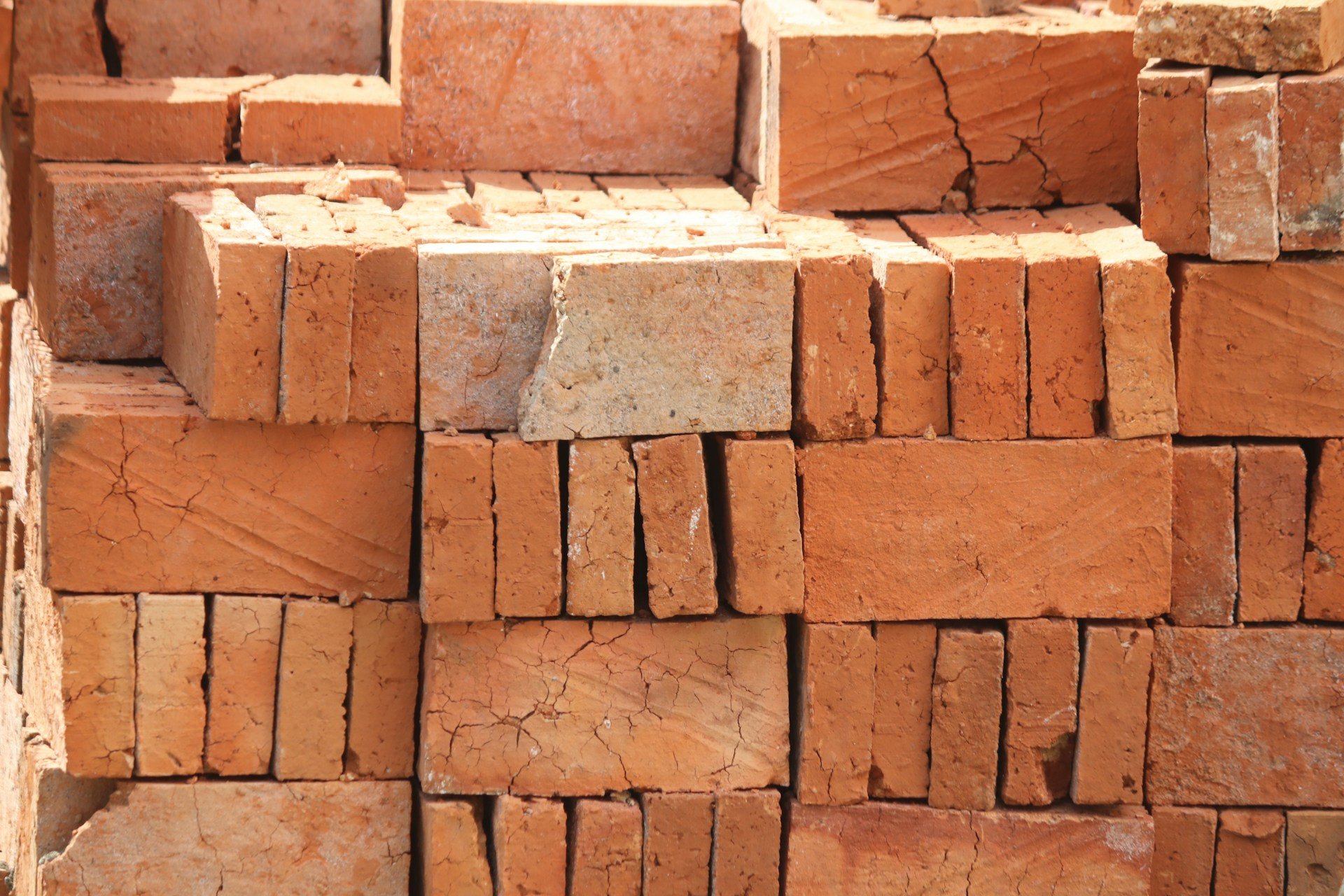
Photo by Mufid Majnun on Unsplash
The healthcare sector shows the third-highest energy consumption in the tertiary sector, with offices and commercial buildings of education and hospitality. It is extremely important for a hospital’s architectural design to optimize its energy performance.
Green building concept in the hospitals also helps in the enhancing the patient’s well-being, health and recovery. Therefore, for promoting and examining the green concepts in the building construction, many rating systems are available globally. These rating systems provides a base for designer to implement green concepts in building construction and helps in reducing the environmental degradation. The sustainable building materials in hospital construction emphasize several core priorities in achieving green certifications like LEED. There are following circular building materials which are the products designed to be reused, repurposed, or recycled. and can help aiding in creating net-zero healthcare facilities.
Insulated Concrete Forms (ICF)
The premier framing solutions for promoting sustainability starts from the foundation by using insulated concrete forms (ICF) which come in precast blocks. These blocks are locked in place at the construction site. Concrete is then poured into the blocks to create a solid, airtight framing solution. There are numerous sustainability benefits of ICF, including:
a. ICF frames are some of the most insulative in the industry, ensuring that heat is not transferred through the building walls.
b. ICF framing is resistant to mold, rot, and pest damage, helping guarantee its ongoing structural integrity.
c. Although ICF framing is extremely long-lasting, it is fully recyclable in the event that the building ever goes out of use.
Epoxy Terrazzo Floors
Epoxy terrazzo floors are the best option for withstanding this type of traffic in any healthcare facility. Using marble, quartz, granite, and/or glass with an epoxy matrix binder, are durable, nonporous flooring material that will stand the test of time. They can be fabricated in a number of attractive designs that help promote interior aesthetics for a favourable healthcare ambience.
Durable Fixtures
Items such as doorknobs and handrail materials must have a durable fabrication, such as stainless steel, to withstand frequent cleanings while maintaining their aesthetics. In addition, it is important to automate all toilets and sinks. Not only will this conserve water, but it limits points of contact through which germs can be spread.
Recycled Steel
Recycled steel can be used in beams, girders, roofing, and cladding. As steel-framed structures can span long distances without the need for vertical support structures, it is one of the best materials for creating open interiors. Open interiors are beneficial for their increased natural light flow and ease of customization. Low (Volatile Organic Compounds) VOC Products 8. When exposed to pressure, VOCs release small particles into the ambient air. These vapours can cause eye, throat, and nose irritation. Other symptoms include headaches and nausea. There is even some evidence that certain VOCs are carcinogenic. These are particularly problematic in healthcare facilities. VOCs are found in many synthetic building materials, one must choose natural building materials whenever possible.
Wood, stone, and ceramics are some great examples of low-VOC products. When painting, staining, and sealing, be sure to choose materials that fall under a safe VOC threshold.
Bamboo
Speaking of low-VOC building materials, bamboo is one of the most exciting natural building materials on the market. It can be used in many of the same applications as wood. This makes it a great choice for flooring, panelling, and furniture.
Rooftop Gardens
Rooftop gardens, or green roofs, are one of the most exciting innovations in the sustainable building landscape. In place of regular roofing materials, they feature a layer of vegetation as the surface material. This can help insulate the interior of the building while lowering ambient air temperatures by as much as 5 degrees. Rooftop gardens also have exciting potential in the realm of stormwater runoff management and counteracting greenhouse gas emissions.
Conclusion
Building materials significantly impact a hospital's ability to achieve green building certification. Material selection affects environmental performance. By prioritizing sustainable materials, ensuring low VOC emissions, and implementing effective waste reduction practices, hospitals can enhance their sustainability outcomes. As hospitals continue to pursue sustainability goals, understanding the impact of building materials will be essential for achieving high levels of environmental performance and improving overall health outcomes.
References
1. Yudelson J. The Green Building Revolution. Washington: Island Press; 2008.
2. 3 Chyu, M.C.; Austin, T.; Calisir, F.; Chanjaplammootil, S.; Davis, M.J.; Favela, J.; Gan, H.; Gefen, A.; Haddas, R.; Hahn-Goldberg, S.;et al. Healthcare engineering defined: A whitepaper. J. Healthc. Eng. 2015, 6, 635–648.
3. Reddy, S.; Sandbhor, S.; Dabir, V. Bringing energy efficiency for hospital building through the conservative and preventive measures. Int. J. Innov. Technol. Explor. Eng. 2019, 8, 2278–3075.