
Public Health
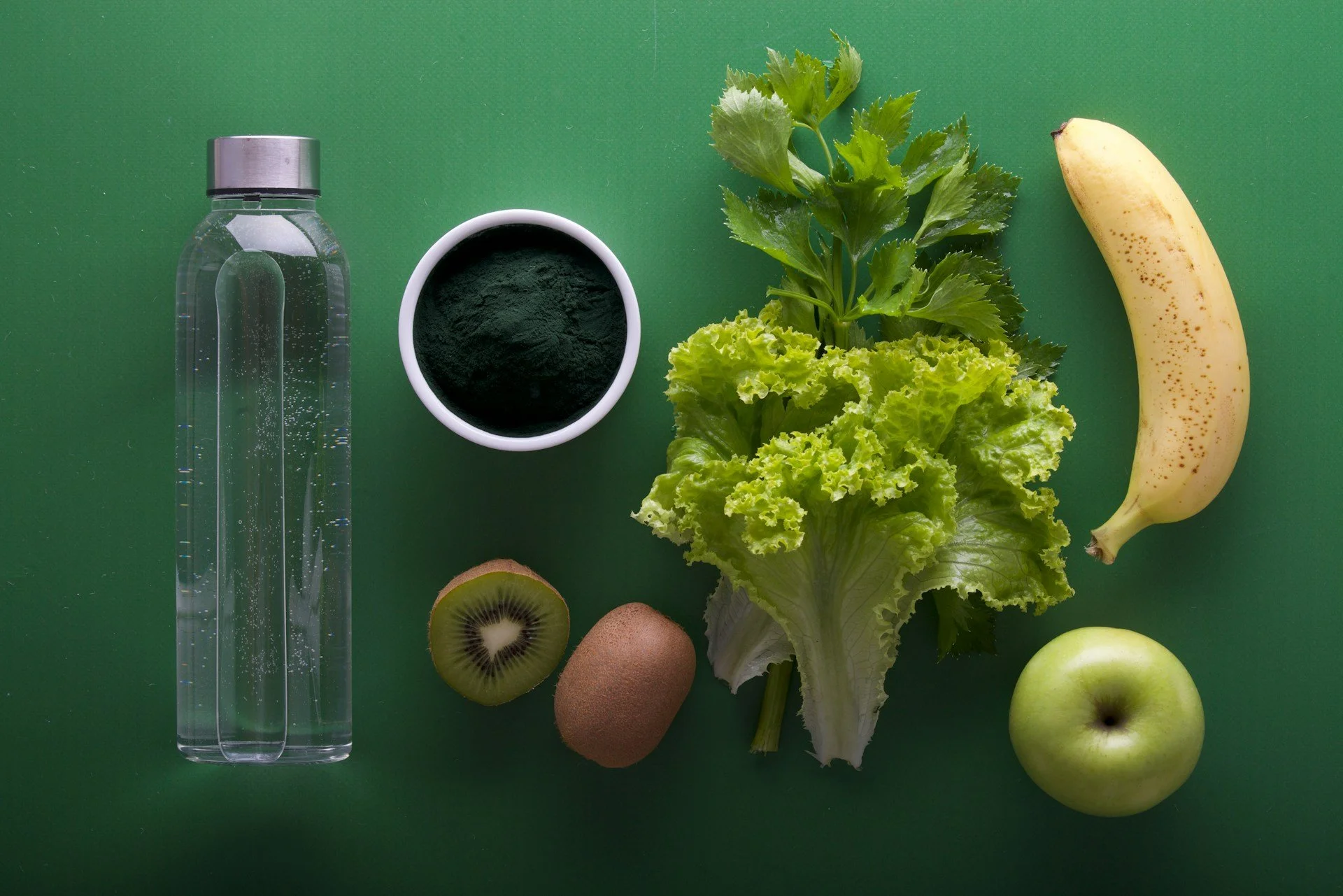
Photo by Vitalii Pavlyshynets on Unsplash
Modern wellness culture is a lifestyle movement focused on the active, holistic pursuit of physical, mental, and emotional well-being. Unlike traditional medicine, which focuses primarily on treating disease after it happens, modern wellness culture emphasizes prevention, lifestyle choices, and self-care.
In recent years, the wellness industry has shifted from a focus on basic health maintenance to a multi-trillion-dollar economy that promises control over aging, vitality, and mortality. Modern wellness culture frequently sells certainty and optimization through Detoxes, Supplements, Longevity Routines, Wearable Scores, and Influencer Advice, appealing to a deeply human desire for control in an uncertain world, though they come with distinct benefits and pitfalls. [1]
"Detoxes" and "Cleanses": are commercial programs—such as juice, fasts, teas, or restrictive diets—that claim to flush toxins from one’s body, boost energy, and promote weight loss. From a medical standpoint, commercial detox products are largely unnecessary. The human body already has a highly sophisticated, built-in detoxification system led by liver, kidneys, lungs, and digestive tract. Severe detoxes can lead to dehydration, electrolyte imbalances, and rebound weight gain.
Medical experts suggest the true "Detox": which are body's natural systems for free by staying hydrated, eating fiber-rich whole foods, and limiting alcohol and ultra-processed foods. One should take charge of his/her health—talk with their health care providers about any complementary health approaches they use, including any “detoxes” or “cleanses.”[2]
Supplements: Supplements are concentrated doses of vitamins, minerals, amino acids, or botanicals designed to fill nutritional gaps or target specific cellular functions. They enhance immunity, and optimize mental focus They are often called "smart drugs" or "cognitive enhancers). While vital for addressing specific deficiencies, the industry is loosely regulated, leading to widespread over-supplementation of vitamins the body simply excretes. Doctors generally emphasize that supplements cannot replace the foundational benefits of a balanced diet. [2]
Longevity Routines: Longevity routines are structured lifestyle protocols aimed at extending both life-span (how long one lives) and health-span (how long one lives free of chronic disease). Standard routines include regular strength and cardiovascular exercise, strict sleep hygiene, caloric restriction or intermittent fasting, and hot/cold therapy (such as saunas or ice baths). These are popularized by biohackers. While basic biohacking involves healthy habits like exercise and stress management, more aggressive or unregulated methods can carry health risks, including infections, unproven claims, or adverse physical reactions. [3]
Wearable Scores: Wearable scores are proprietary health metrics generated by smartwatches, rings, and bands that synthesize people’s biometric data into simplified daily ratings. Devices track data points like Heart Rate Variability (HRV), resting heart rate, skin temperature, and respiratory rate. They translate this data into scores like "Readiness," "Strain," or "Sleep Quality." Turning physiological data into a daily "readiness score" provides tangible validation for wellness habits. [3]
Influencer Advice: Influencer advice refers to the health, fitness, and biohacking protocols shared on social media by wellness personalities, online creators, and celebrity doctors. Influencers often popularize massive health information. Influencers frequently monetize their platforms through sponsored products, "supplement stacks," niche wellness gadgets, and rigorous morning routines blurring the line between genuine health advice and marketing. [3]
Reasons People Are Drawn To Wellness Products[4]
The modern wellness industry is a multibillion-dollar powerhouse. It promises not just health, but optimized living, vital energy, and radical longevity. Before buying the products, people must know, how to separate legitimate self care from marketing hype, and how to show good judgment, fine taste, and the ability to notice subtle details and differences without losing faith in wellness altogether.
People do not buy wellness products simply because they are easily tricked, fooled, or cheated. They buy them because wellness promises meet profound human needs that modern life often neglects. Following are the main attractions to buy wellness products: -
a. In a world filled with environmental stressors, chronic diseases, and systemic uncertainties, wellness offers a sense of personal agency. Taking a specific supplement or following a ritual feels like taking control of one’s destiny.
b. Conventional medicine excels at acute care (like plastering a broken bone or treating an infection), but it can sometimes leave patients feeling dismissed when it comes to chronic fatigue, stress, or vague physical discomfort. The wellness industry steps in with validation and answers.
c. Wellness has replaced traditional community or spiritual rituals for many. A morning skincare routine or a group fitness class provides a sense of mindfulness, identity, and belonging.
Way Forward
People must differentiate the line between sensible self-care and unsupported well ness marketing as under: - [5]
a. Sensible self-care prioritizes sleep, regular movement, hydration, balanced nutrition, and social connection. It is free or low-cost such as walking outside, drinking water, and resting cost little to nothing. It 3 respects body systems, trusts organs like the liver and kidneys to naturally detoxify the body.
b. Whereas unsupported marketing focuses on quick fixes, sells expensive powders, restrictive detoxes, or niche gadgets to "solve" complex health issues. It relies on testimonials, celebrity endorsements, and phrases like "It worked for me!". How To Evaluate Wellness Products Market Claims Safely[5]
If a wellness trend sounds like a magic bullet—or requires a premium subscription to basic health—it is likely marketing, not medicine. a. Marketers often use medical-sounding language to cloak a lack of actual data. b. When a brand claims a product is "clinically proven," ask:
(1) Was the study done on humans, or just in a petri dish?
(2) How many people were involved?
(3) Was the study funded by the company selling the product?
(4) Ask yourself what the person giving the advice has to gain. If a practitioner or influencer diagnoses you with a "deficiency" and immediately points you to a link to buy their specific supplement line, there is a clear conflict of interest. (5) Before adding a complex new wellness routine, ensure your baseline is covered. No expensive supplement can out-perform the health benefits of seven to eight hours of quality sleep, a diet rich in whole foods, and regular physical activity.
Evaluating Personal Wellness Products- Local & Regional Context[4][5] Evaluating personal wellness products in the GCC countries and Pakistan requires a careful look at regulatory registrations, regional ingredient safety, and retail authenticity. Because both markets handle product oversight differently, checking the correct verification markers ensures user’s items are safe and genuine. Verify regulatory approvals & certifications as under:
a. Regulatory bodies in the GCC and Pakistan enforce strict frameworks for supplements, cosmetics, and nutraceuticals which are products derived from food sources that provide extra health or medical benefits, including disease prevention and treatment, alongside basic nutrition to ensure consumer safety. b. Before purchase, look for explicit registration with national authorities like the Ministry of Health and Prevention (MOHAP) or Dubai Municipality, and the Saudi Food and Drug Authority (SFDA) which regulates all wellness and dietary supplements. Products approved under the GCC Product Conformity 4 Assessment (PCA) framework feature a specific regional compliance clearance. c. In Pakistan the wellness products or local nutraceuticals are registered with the Drug Regulatory Authority of Pakistan (DRAP). DRAP manages health products under specific statutory regulations to differentiate evaluated supplements from unauthorized or unregulated alternatives.
d. For wellness goods containing gelatin, collagen, or specialized enzymes, check for an accredited Halal stamp recognized by regional bodies like EIAC (UAE) or the Pakistan Halal Authority (PHA).
Evaluate Label Clarity & Ingredient Integrity: Wellness products in both regions often present distinct ingredient formulations that require close analysis. Check for: -
a. Sourcing and disclosures mainly ingredient breakdown completely. Emphasize checking for specific chemical percentages and visible third-party laboratory verification.
b. To avoid counterfeits and contaminants, be highly cautious of local unbranded skin-lightening creams, traditional treatments, or unauthorized cosmetics. As reported some unregulated local wellness and cosmetic items in Pakistan have historically shown dangerous levels of heavy metals like mercury or lead.
c. Many regional wellness options emphasize local ingredients like black seed oil (Kalonji), saffron, neem, and date-seed extracts. Ensure these items highlight clear scientific references or peer reviewed citations on their packaging rather than relying on generic, unbacked health claims.
d. Always compare market platforms & buying channels. Where one buys a wellness product it must dictate its overall safety and authenticity.
In GCC Region must check the, primary authorized channels like monitored pharmacy networks (e.g., Nahdi, Boots) and specialist corporate retailers. Do the Digital Verification - via official national apps (like the SFDA smartphone registry).
In Pakistan market, look for established physical pharmacies and official brand-direct e-commerce storefronts. Review formal batch production details and local professional advice before buying. Be aware of high prevalence of unvetted local formulas, unauthorized knockoffs, and missing batch testing numbers.
When a company claims a wellness product or habit can "cure," "boost," or "detoxify," analyze the phrasing neutrally rather than reading their promotional literature. Must confirm the absolutist marketing mainly extreme phrasing such as "100% safe," "miracle cure," or claiming it works instantly without lifestyle changes.
Traditional or herbal remedies are highly popular in both Pakistan and the GCC. However, "natural" does not mean safe. Many unregulated herbal mixtures are contaminated with heavy metals, illegal pharmaceuticals, or extreme levels of steroids to make them seem fast acting. Be careful of this "All-Natural" fallacy.
With nearly 80% of mental health conditions remaining undiagnosed or undertreated in the GCC due to stigma, the market has seen a flood of untested mental wellness supplements and alternative platforms. Do not substitute these for professional clinical counselling.
Stay away from Multi Vitamin Therapy and "Detox" Clinics: Widely marketed across major metropolitan hubs (like Dubai, Riyadh, or Karachi), these procedures often lack scientific evidence for healthy individuals and carry real clinical risks of infection or electrolyte imbalances. The safest rule of thumb is simple: if a wellness claim relates to active medical symptoms, regular medications, pregnancy, breastfeeding, or chronic disease management, take it directly to a healthcare professional before buying.
Speak with a licensed family medicine doctor or a clinical dietitian registered with local councils (such as the Pakistan Medical and Dental Council or the Saudi Commission for Health Specialties). They can cross-check whether the active ingredients in your wellness products interact dangerously with your prescription medications or underlying health status.
References
1. About Wellness. National Wellness Institute. Available from: https://nationalwellness.org/resources/multicultural-competency-in-wellness
2. Stoewen DL. Health and wellness. The Canadian Veterinary Journal. 2015 Sept 56(9):983-984.
3. St Claire L, Watkins CJ, Billinghurst B. Differences in meanings of health: an exploratory study of general practitioners and their patients. Family Practice. 1996 Jan 1;13(6):511-6.
4. Oliver MD, Baldwin DR, Datta S. Health to wellness: A review of wellness models and transitioning back to health. The International Journal of Health, Wellness and Society. 2018;9(1):41.
5. 6 Travis, J.W. The Illness–Wellness Continuum. Wellness Resource Center; 1972.