
Water Conservation in Healthcare Facilities
The Green Series - Article 2 Part 2
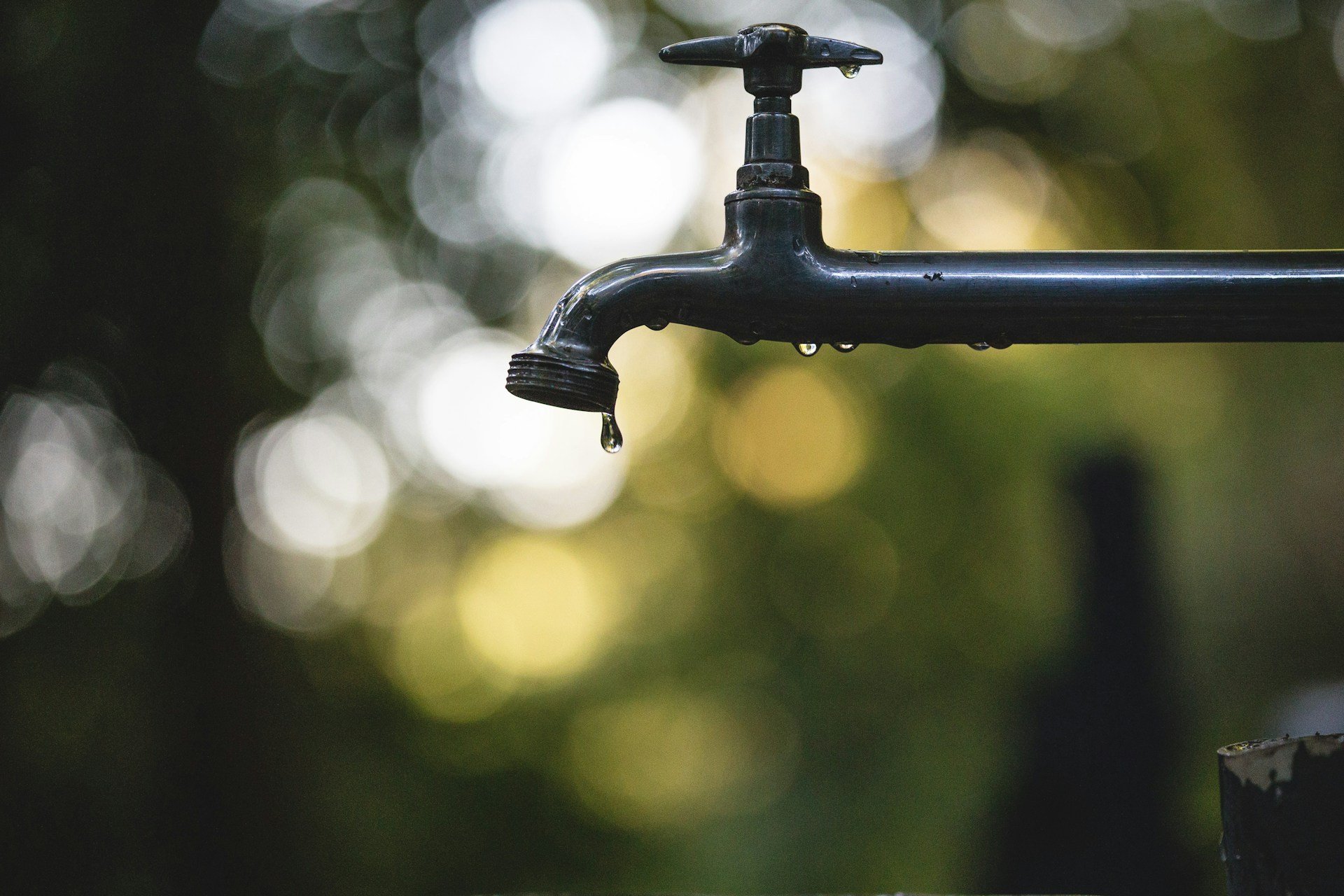
Photo by Luis Tosta on Unsplash
Clean water is a very important resource for any health services. It is used 24/7 in multiple locations (e.g. wards, canteens, toilets etc) and for many different functions (e.g. dialysis, drinking, cleaning etc). As water is a costly and scarce resource ensuring that it is carefully monitored and tracked is an important job for every hospital management. There are following main aspects to get right:Monitoring
By having a formal monitoring process through strict audit of monthly water bills tracks water consumption regularly.
Benchmarking
For water use, benchmarking involves comparing a hospital’s annual water use with the number of patient bed-days provided by the hospital. Patient bed-days is a standard indicator of service activity used for water benchmarking in the healthcare sector.
Leak identification
While a leaking tap is visible, most water leaks are not. Leaking underground pipes, faulty ballcocks and hidden overflows all contribute to making water leaks difficult to find. Once a leak has been identified it is important to repair it straight away. Ideally, hospitals should have only one main supply meter. This allows all water supplied to the hospital to be monitored from one location. Hot water is a major cost for hospitals - it is usually 5 times the cost of cold water due to the heating costs. A meter on the hot water supply will give information on hot water use. If the hospital provides dialysis, then it should have a sub-meter on the reverse osmosis plant. These can be significant water users with great potential to save money. Fixtures and fittings survey will help identify cost savings for a hospital. By having efficient fixtures and fittings, water use can be reduced.
In order to start reducing costs and making sure the hospital is as water efficient as possible; the following areas should be considered:
Best Practice Benchmarks
The amount of water used by hospitals depends on the services provided, the number of overnight patients and the number of day consultations and visitors, etc. WHO baseline standards recommend 40–60 litres per day strictly for basic patient care (drinking, hygiene, and washing), which excludes facility operations like laundry, kitchens, and cooling towers.
Best Practice Flow Rates
The water used by fixtures and fittings in any hospital varies considerably. The pressure of water supplied, the types of taps or shower heads used, the 2 frequency of use – all of these will impact on the overall quantity of water consumed, and to the annual cost of water to the hospital.
a. Taps: Tap flow rates may vary between 4 litre/min to over 50 litres/min. Tap controls, like timed push taps and sensors, can save water.
b. Washrooms: 2 - 4 litres per minute.
c. Toilets: 9 litres per flush
d. Kitchens & Canteens: 6 - 8 litres per minute.
e. Showers: Most showers in any hospital now use mixer systems (TMVs - Thermostatic Mixing Valves). Flow rates volumes are ideally less than 8 litre/min.
f. Urinals: 1 litre per flush
g. Laundry- Washers: Approximately 6.5 to 12.5 litres per kg of laundry.
Water Pressure:
Regardless of how water is supplied, water pressure should be assessed in different locations. The best method of controlling pressure locally is with Pressure Reducing Valves (PRVs). Other Large Consumers, following are the departments:
a. Reverse osmosis (RO): RO units provide ultra pure water for a variety of services – sterilisers for endoscopes, as well as sterilisers for theatre instruments and dialysis. However, usually only 30-50% of the water that goes into an RO unit becomes ultra pure water with the remaining (70-50%) unused and discharged to drain. In order to reduce the costs there are 2 main options to consider:
(1) Reduce the volume of water discharged through fitting a high efficiency recycling kit which can halve the quantity of RO wasted.
(2) Reuse the discharged water for other services within the hospital. b. Kitchens: Higher flow rates may be required in taps used to fill containers (e.g. pot wash).
The largest users of water in big kitchens are dishwashers. c. Laundry: Program machines to eliminate additional rinse cycles. Wash full loads only or reduce water levels to minimize water required per load of washing.
Water conservation is also achieved through harvesting and recycling process rainwater as under:
a. Rainwater Harvesting: Rooftop collection systems that store water in underground tanks for landscaping, cooling tower makeup water, and flushing. b. Wastewater Treatment: Onsite Sewage Treatment Plants (STP) to recycle greywater for irrigation and HVAC cooling, including the ablution water reuse systems and car wash recycling—in and around healthcare facilities to replenish groundwater.
Water Efficiency Programme:
In order to have an efficient water service, hospitals should put in place a water management programme. By setting a multidisciplinary water efficiency team which should meet on a regular basis and try to follow a continual improvement model.
References
1. Garg, A.; Dewan, A. Green Hospitals. In Manual of Hospital Planning and Designing; Springer: Singapore, 2022; pp. 485–498
2. Teksoy, A.; Altan, K. Assessment of sustainable water management in public hospitals: The case of Turkey. Environ. Eng. Manag.J. (EEMJ) 2022, 21, 1751 1760.
3. Kameli, A.; Naddafi, K.; Saeedi, R.; Hosseinzadeh-Attar, M.J.; Ostadtaghizadeh, A. Water crisis in hospitals: Challenges, and recommendations– a qualitative study in Iran. BMC Health Serv. Res. 2025, 25, 903.