
Medical Waste Management: From Open-Burning Incinerators To Safe Disposal
The Green Series - Article 2 Part 3
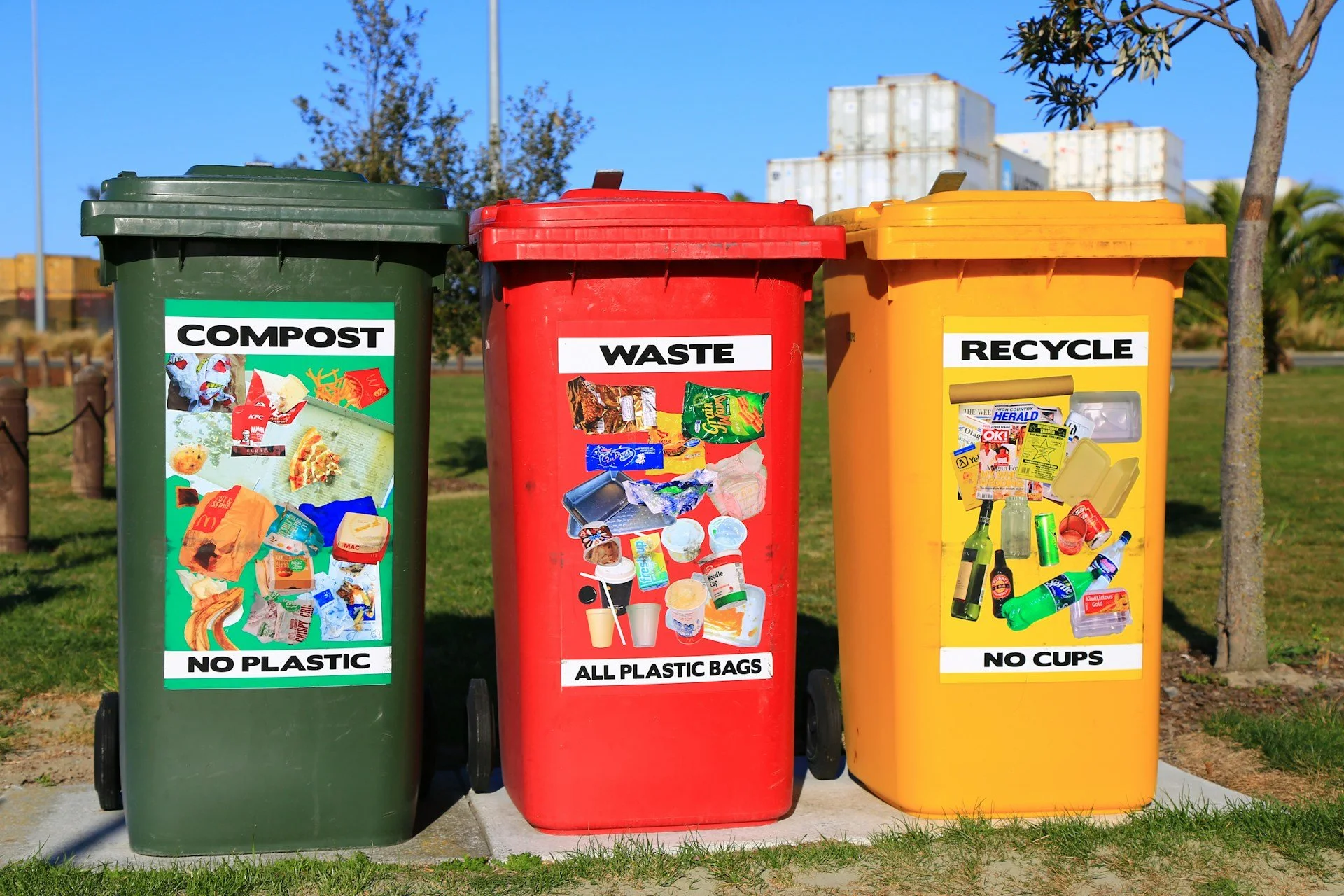
Photo by Nareeta Martin on Unsplash
The World Health Organization defines healthcare waste as waste produced by healthcare activities, including a broad range of materials from used needles and syringes to soiled dressings, body parts, diagnostic samples, blood, chemicals, pharmaceuticals, medical devices, contaminated personal protective equipment (PPE) and radioactive materials. Research indicates that approximately 75–90 % of waste produced by healthcare providers is non hazardous or general waste, while the remaining 10–25 % is considered hazardous and may pose various risks to health and the environment.
Medical waste generation is increasing significantly due to the global expansion of healthcare infrastructure, which encompasses hospitals, clinics, research facilities, and laboratories. According to the World Health Organization, high-income countries generate up to 0.5 kg of hazardous waste daily for each hospital bed, against an average of 0.2 kg in low-income countries.
The rising generation of medical waste creates a continuous demand for scalable and efficient methods of waste management. Open-burning incinerators and their modernized counterparts—like air curtain burners and controlled-air systems are waste disposal systems that destroy combustible materials via direct fire and are typically used for municipal solid waste, or specialized medical waste, they reduce waste volume but release hazardous toxic emissions/gases like dioxins and furans if not properly filtered. Open piles can release dangerous particulate matter "fly ash" and soot.
Above all they are not suitable for non-combustibles (metals, glass) or highly volatile chemicals.
Way Forward-Coping Strategy
To comply with strict environmental regulations, modern open-burning setups are often replaced or retrofitted with advanced updated systems. Modern alternatives to traditional incinerators focus on higher energy efficiency, zero toxic emissions, and circular economy integration. Instead of burning unsorted waste, these systems utilize advanced thermal, biological, and mechanical techniques to convert waste into clean fuels, electricity, or reusable materials. Following few updated systems and technologies are used to replace or improve upon traditional incinerators:
Advanced Thermal Technologies
Plasma Arc Gasification: It is an advanced, high-temperature thermal process that converts organic waste into usable synthesis gas (syngas) and inert, solid byproducts. Rather than burning waste like traditional incineration, it destroys it completely on a molecular level without combustion. During the process the electricity is passed through a gas (like air, oxygen, or steam) to create high-voltage "lightning" using plasma torches. This generates extreme temperatures ranging from 3,000°C to over 10,000°C (hotter than the surface of the sun). The organic waste transforms into a valuable mixture of hydrogen and carbon monoxide, known as syngas. This gas is cleaned and can be used to generate electricity, create biofuels, or produce clean green hydrogen. Whereas the inorganic materials (like glass, metals, and dirt) melt down and pool at the bottom. Upon cooling, they form a glassy, solid residue called "slag". Because heavy metals and toxins are safely locked inside, this slag is non leachable and can be utilized as aggregate for road construction or building materials.
Current Challenges:
Despite its environmental promise, plasma gasification is not yet widely adopted for everyday city waste disposal. The primary barriers holding back widespread rollout are high capital costs for building the facilities, steep electricity requirements to keep the plasma torches running, and the overall complexity of managing massive urban waste loads in a high-tech facility. 6. Pyrolysis: It is a thermal decomposition process that breaks down organic waste in an oxygen-deprived environment at high temperatures (typically 400°C to 800°C). It prevents the formation of toxic dioxins. Following end products are produced:
a. A dark, liquid hydrocarbon called bio-oil is produced that can be refined into alternative fuels, used in industrial burners, or processed into raw materials for the chemical industry.
b. A mixture of combustible gases (like carbon monoxide, hydrogen, and methane) called syngas that is often captured and routed back to fuel the pyrolysis reactor itself, making the facility energy self-sufficient.
c. A carbon-rich solid biochar or char is produced that can be used as a solid fuel, an industrial material (such as carbon black for tires), or a soil amendment to improve agricultural quality.
Biological Processing (For Organic Waste) like Anaerobic Digestion and Scaled Composting.
Medical and Hazardous Waste Alternatives like Autoclaving and Ozone Processing.
Smart Mechanical & Chemical Recovery like Mechanical Biological Treatment (MBT), Gas Scrubbers & Filters, Continuous Monitoring and Ionization / Plasma Systems.
Waste Management – Green Housekeeping: ccording to the WHO, increased awareness therefore calls for comprehensive training and education on proper ways of handling and disposing of waste within a healthcare facility as under:
a. Dust, soil, and microbial contaminants serve as potential reservoirs for pathogens, significantly increasing the risk of hospital-acquired infections (HAIs). Effective housekeeping is essential to minimize these risks.
b. Implementing comprehensive housekeeping measures including regular cleaning schedules, use of appropriate cleaning agents, and adherence to protocols that target high-touch and high-risk areas.
c. The selection of cleaning products should prioritize those that are both effective against pathogens and environmentally friendly.
d. Proper training of housekeeping staff is vital to ensure safe handling, segregation, and disposal of hospital waste.
e. Incorporating waste recycling initiatives within hospital housekeeping.
Conclusion
Medical waste contributes to a considerable percentage of the total waste generated in most countries, and about 75% to 90 % of MW is non-hazardous. The rest is considered to be hazardous since it is contaminated with infectious contaminants that can cause illness and transmit various diseases; therefore, proper handling and treatment of MW are needed.
References
1. E.S. Windfeld, M.S.-L. Brooks, Medical waste management–a review, J. Environ. Manag. 163 (2015) 98–108.
2. Y. Chartier, Safe Management of Wastes From Health-Care Activities, World Health Organization, 2014.
3. L.F. Diaz, G.M. Savage, L.L. Eggerth, Alternatives for the treatment and disposal of healthcare wastes in developing countries, Waste Manag. 25 (6) (2005) 626–637 4. J.M. Chisholm, et al., Sustainable waste management of medical waste in African developing countries: a narrative review, Waste Manag. Res. 39 (9) (2021) 1149–1163.