
Biophilic Design in Healthcare: Plants, Natural Light, and Healing Spaces
The Green Series - Article 2 Part 6
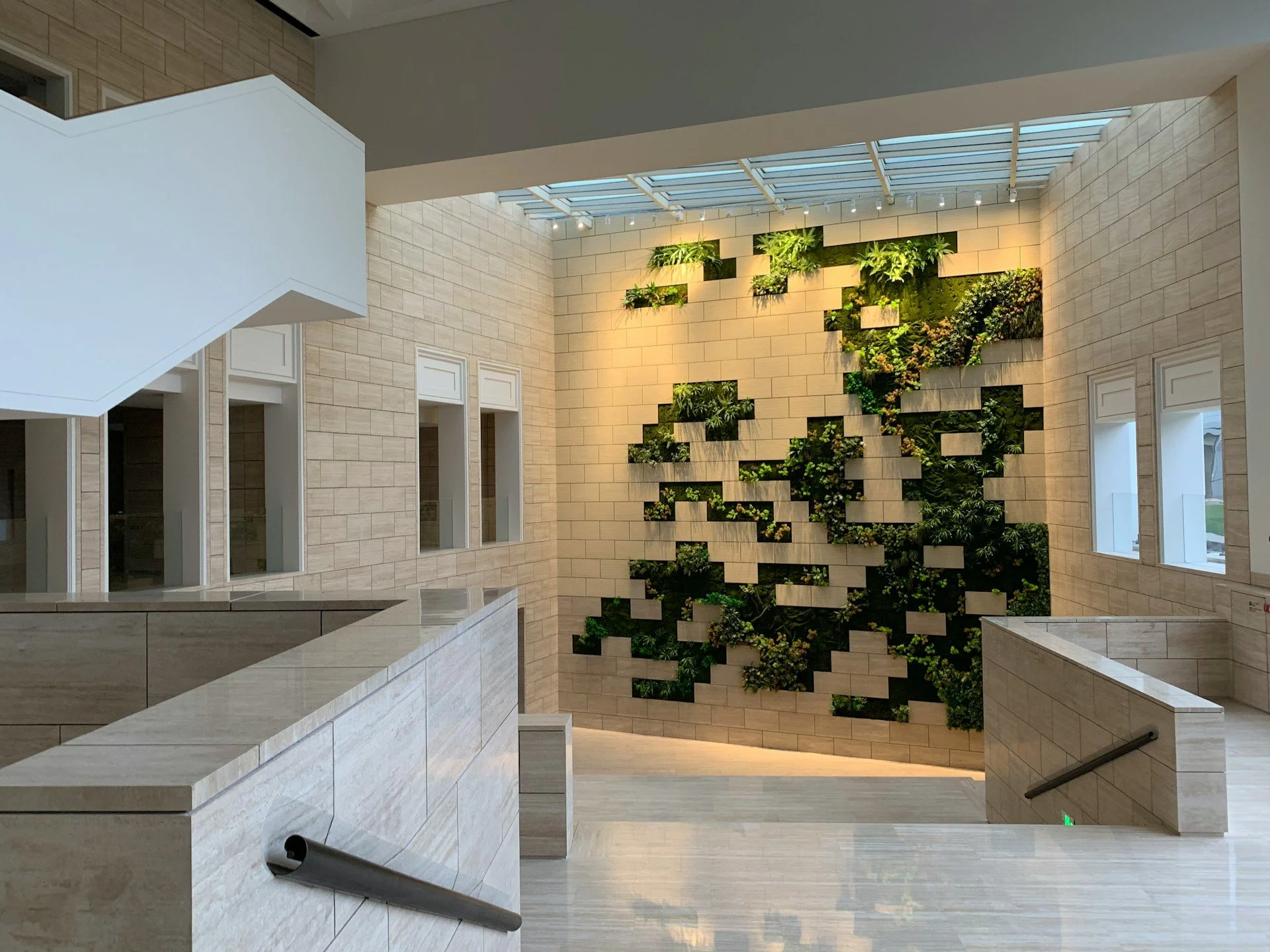
At its core, biophilic design aims to reconnect people with nature in modern spaces. It builds on the idea that humans have evolved in close connection with the natural world for most of their history, and this bond still plays a key role in human physical and mental well-being. Biophilic design in healthcare incorporates natural elements like indoor plants, sunlight, and healing gardens into medical facilities. These interventions reduce patient anxiety, decrease pain perception, and accelerate recovery times, while also lowering burnout rates among care providers. Since people now spend about 90% of their time indoors, this is done by integrating natural elements into buildings and urban spaces, helping fulfill human’s innate connection to nature in today’s built environments. Modern green building design trend supports the integration of nature into hospital architecture.
Major Primary Design Elements
By integrating natural elements such as sunlight, ventilation, and greenery into hospital environments, biophilic design can reduce energy consumption. Maximising natural light can lower the need for artificial lighting, cutting energy usage. Incorporating sustainable materials such as wood, stone, and organic fabrics improve indoor air quality and support eco-friendly sourcing. In recent years, biophilic design has gained significant attention in healthcare settings – By incorporating natural elements such as sunlight, greenery, and organic materials into hospital environments, biophilic design offers a human centred approach that helps reconnect people with nature—a key factor in promoting health and recovery.
Following are the key features:
Natural Materials and Textures
The use of wood, stone, and organic fabrics creates a calming atmosphere that feels less clinical and more like home. These materials can also be selected for their sustainable qualities, contributing to the overall environmental health of the facility.
Green Spaces Indoors
Green walls, potted plants (preferably fake), and gardens within hospital spaces are increasingly popular design choices. These elements can be incorporated into waiting areas, patient rooms, or even corridors.
Maximising Natural Light
Large windows, skylights, and reflective surfaces can help distribute sunlight throughout the building, reducing the need for artificial lighting and aligning with patients’ circadian rhythms. This can improve sleep and overall recovery rates, as natural light is a known factor in mood improvement and physical healing.
The Benefits of Biophilic Design in Hospitals
Following are the main benefits:
Fast Recovery Time Description
One of the most profound benefits of biophilic design is its impact on patient recovery times. According to one study patients with views of nature had hospital stays an average of 18 hours shorter compared to those without such views and shown to reduce the need for pain medication by 22%.
Less Stress Levels
Reduced Turn Over Amongst Staff
Less Sick Leave
Reduced Medication
Financial Benefits
For patients, exposure to greenery, natural light, and soothing colours has been proven to lower blood pressure and heart rates, contributing to overall relaxation during their stay. They can decrease stress levels, enhancing the healing process.
• Incorporating biophilic design into break rooms or communal spaces helps reduce staff stress and improves job satisfaction, leading to better focus and productivity at work. This leads to better patient care and reduced turnover, a significant expense for healthcare facilities.
• According to one study conducted employees with more natural light and views of nature took less sick leave
• Patients who had exterior lighting and views tended to use less pain medication, up to 22% less as compared to others without exterior lighting and views.
• Beyond the health benefits, according to the data biophilic design even offers economic advantages. Hospitals that incorporate these elements can see lower staff turnover, increased patient satisfaction, and ultimately, financial gains. For instance, reducing a patient’s length of stay by just one day could save hospitals an estimated $12.3 million annually. Additionally, improving patient satisfaction scores interventions through could lead biophilic to higher reimbursements from insurance companies, further enhancing a facility’s financial health.
Conclusion
Biophilic design significantly contributes to creating healing hospital environments that support patient recovery and psychological well being. Real nature and daylight exposure have the strongest effects, while simulated nature provides an accessible supplement. As healthcare systems increasingly prioritize patient-cantered care and evidence-based design, biophilic design offers low-risk, high-benefit interventions.
References
1. Yassein G, Ebrahiem S. Biophilic design in the built environment to improve wellbeing: a systematic review of practices. J Urban Res. (2018) 30:128–46. doi: 10.21608/jur.2018.88412
2. Kellert SR. Nature by design: The practice of biophilic design. New Haven, CT: Yale University Press (2018).
3. Tacanahui RGA, Cuentas JAA, Moreira DHB. Biophilic architecture: a holistic approach to healthy and sustainable spaces. Environ Res Ecotoxicol. (2024) 3:3. doi:10.56294/ere2024102 4. Totaforti S. Applying the benefits of biophilic theory to hospital design. City TerritArchit. (2018) 5:1. doi: 10.1186/s40410-018-0077-5