
Building Green From Scratch: Lessons From LEED-Certified Facilities
The Green Series - Article 3 Part 2
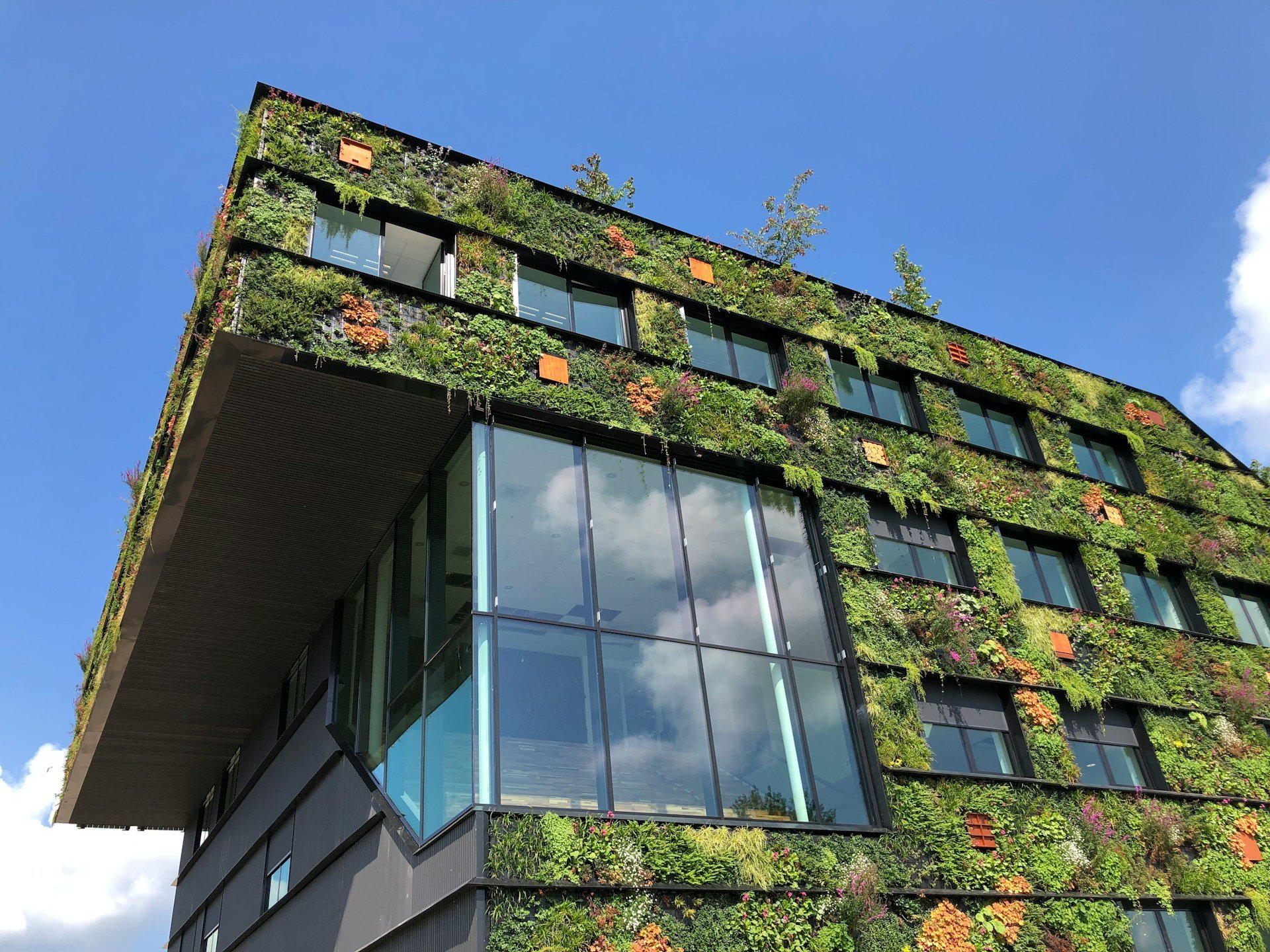
Green facilities can be defined as facilities that have net environmental benefits over their lifecycles compared to conventional construction, including benefits for occupants of their indoor environments as well as the natural environment. These facilities offer a number of advertised and potential benefits to their owners and/or occupants, and environment, including a healthier indoor environment, increased resource efficiency and reduced operating costs, and overall lower impact on the natural environment.[1]
To promote sustainable development of the built environment and to address new challenges, several building assessment systems have been globally developed. Such international building assessment systems include Leadership in Energy and Environmental Design (LEED) which is the most recognized green building assessment system in the United States and other countries.
Leadership in Energy and Environmental Design (LEED) highlights that successful green construction requires early stakeholder integration, lifecycle-focused design rather than just chasing certification, and contextual adaptation to local climates over standardized regional checklists. [1]
Considering the "Design vs. Operation" Gap repeatedly shows discrepancies between predicted and actual performance. A building may earn LEED points for optimized HVAC models on paper, but underperform operationally if occupant behaviours and management practices aren't aligned. Post-occupancy evaluations validate that Indoor Environmental Quality (IEQ) must be given emphasis while utilizing innovative architectural designs for natural daylighting greatly improves occupant health, reduces absenteeism, and directly contributes to higher LEED rating levels. [1]
There is certainly an economic reality and payback benefit. While initial construction costs for LEED Gold and Platinum facilities are often higher (ranging from 7% to 10% premium in some cases), lifecycle cost-benefit analyses show that these investments pay for themselves through 30% to 40% reductions in energy and water utility bills. [2]
The LEED Rating System
Development of the LEED rating system began in the mid-1990s, based on the original Building Research Establishment Environmental Assessment Method from the UK. The original rating system was developed by the newly formed US Green Building Council (USGBC), a membership-based non-profit organization, using funding provided by federal grants and membership revenues. Now in its fourth major version, LEED has evolved from a mix of prescriptive and performance-based credits to a much more quantitative, performance-oriented rating system. In order to be considered for LEED certification, a project must meet the LEED Minimum Program Requirements or MPRs. This means that not all types of projects are eligible to be LEED certified, although project teams can always use the LEED guidelines to create a better project.
The LEED rating system consists of a series of performance goals and requirements in nine primary categories:[3]
a. Integrative Process (IP) Category –addresses the process by which the project is planned, designed, and delivered.
b. Location and Transportation (LT) –Covers issues related to the location of the project site and the amenities around and near the project that affect transportation needs.
c. Sustainable Sites (SS) –Covers impacts to the project site during construction and the impacts the project will have on neighbouring sites after completion.
d. Water Efficiency (WE) –Addresses water consumption and wastewater generation by the building during operation.
e. Energy and Atmosphere (EA) – Covers all aspects of the building’s energy performance, energy source(s), and atmospheric impacts
f. Materials and Resources (MR) –Pertains to the sources and types of materials used on the project, the amount of waste generated, and the degree to which the project makes use of existing buildings.
g. Indoor Environmental Quality (EQ) –Covers aspects of the building’s indoor environment, ranging from ventilation to air quality to daylight and views.
h. Innovation in Design (ID) – Rewards the project for going beyond the minimum credit requirements and for using a LEED Accredited Professional.
i. Regional Priority (RP) –Rewards projects for addressing local environmental priorities. Certification can be achieved at four different levels:
(1) Certified: 40 to 49 points
(2) Silver: 50 to 59 points
(3) Gold: 60 to 79 points
(4) Platinum: 80 points and above
Platinum is the most difficult level to reach. Currently, just over 6,000 certified projects have achieved this level of certification, out of more than 107,000 worldwide.
The process of certifying a building under LEED has several steps. These steps are guided by the LEED Online documentation system. The first step in the plan is to undertake discovery and set a direction for the project. Based on the type of project, the appropriate rating system is chosen. Then, Minimum Program Requirements are verified. The team will review project information and hold a goal-setting workshop including the owner, design team, and construction team.
This should all occur before design begins. A formal LEED project scope will be defined, including a project boundary. Formal certification begins by registering the project with GBCI to declare intent to pursue certification. This allows the project team to access GBCI databases as well as set up an online workspace to manage project documentation. Registering the project requires paying a flat fee to GBCI that is the same for all projects. After the project has been registered, the next step is to identify LEED credits that can be pursued. This is based on the project goals, and typically involves a meeting to review the LEED checklist for the rating type being pursued. The process of documentation to prove compliance with LEED credit requirements continues throughout construction. It may also extend into the first year of occupancy depending on the credits pursued. [4]
Conclusion
How some builders implemented green building strategies in the creation and operation of their respective fields of construction through favourable strategies that led to the success of obtaining higher rating levels. The facilities having higher ratings are more aggressive in obtaining credits using central plants, stormwater design, innovative wastewater technologies, and light control among other credits. Since various factors such as location, climate, building features, project procurement methods, and others could affect the project cost, main focus has to be on green building strategies utilized in facilities.
References
1. Adegbile, M. (2012). “Development of a Green Building Rating System for Nigeria.” Proceedings, Sustainable Futures: Architecture and Urbanism in the Global South. Kampala, Uganda, 27-30 June.
2. Ahn, Y.H., Pearce, A.R., and Ku, K. (2011b). “Paradigm Shift of Green Buildings in the Construction Industry,” International Journal of Sustainable Building Technology and Urban Development, 2(1), 52-62.
3. Bray, J., and McCurray, N. (2006). “Unintended Consequences: How the Use of LEED Can Inadvertently Fail to Benefit the Environment,” Journal of Green Building, 1(4), 152–165.
4. Gambatese, J., and Tymvios, N. (2012). “LEED Credits: How They Affect Construction Worker Safety.” Professional Safety, 42-52.