
The Green Series - Article 5 Part 2
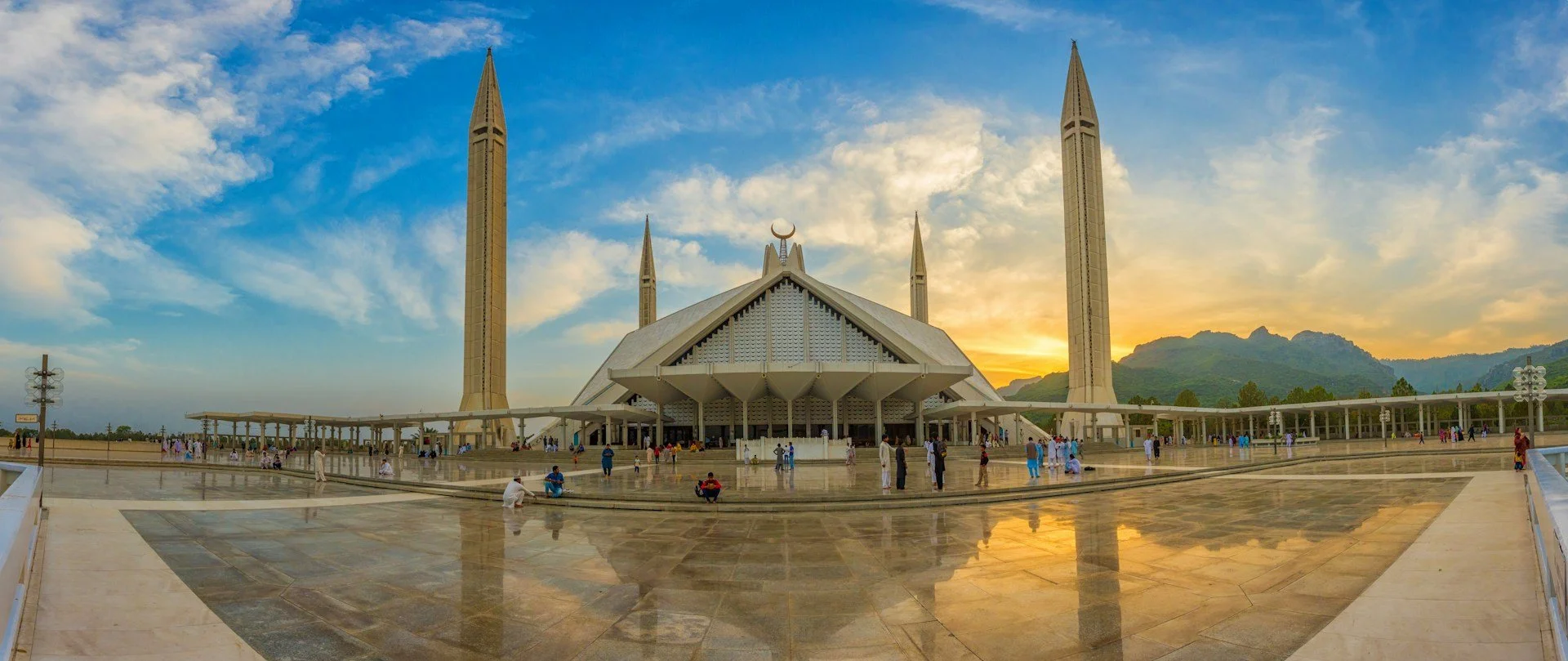
Photo by Syed Bilal Javaid on Unsplash
The healthcare supply chain is lengthy and complex, including manufacturers, distributors, service providers (e.g., pharmacies, hospitals), patients, governmental institutions, regulatory agencies, and insurance companies, and encompassing the procurement, production and delivery of goods and services from global suppliers all the way through to the delivery of patient care.
In hospitals, the flow of materials (e.g., supplies for wards and operating theatres) throughout the supply chain requires equal attention to that given the provision of diagnostic and therapeutic services to patients. In fact, the healthcare supply chain has been found to significantly impact not only health care outcomes, but also economic and environmental outcomes; for example, the healthcare supply chain has been found to account for 80% of all greenhouse gas emissions globally, and these emissions can have major impacts on both public health and healthcare expenditures.[1]
Organizations must implement sustainable implementation in supply chain management. Sustainable business is directly related to the sustainable supply chain management. Sustainability is defined as “the ability to meet the needs of the next generation without compromising today’s needs”. The given aspects are not limited to the internal operations of suppliers, manufacturers, and customers, but also can be extended to external social issues of the organization. The industry must develop social sustainability when working with upstream or downstream companies. There is less evidence of Pakistani industries with different social norms. [2]
Social sustainability in the Pakistan's pharmaceutical industry has less focus on ethical business practices, patient access to affordable medicines, workforce well-being, and community health equity. It must ensure that drug development, manufacturing, and distribution benefit public health without exploiting vulnerable populations or workers.
In Pakistan there are major challenges in public health supply chains, including a lack of strict green regulations, reliance on single-source suppliers, and vulnerabilities due to fluctuating currency rates. Following are key issues in chemicals, pharmaceuticals, and supply chain logistics in the Pakistani healthcare sector.
Key Challenges- Local Context: Generally, following pharmaceutical supply chain challenges are defined as the current limitations in activities and processes within the supply chain that require substantial effort to address: [3] a. Sustainable procurement in Pakistani hospitals faces complex hurdles across pharmaceutical supply chains, medical chemical 2 management, and public health governance. While green procurement significantly optimizes waste reduction, its widespread implementation is routinely delayed by legislative inertia, financial barriers, and vendor limitations.
b. Moreover, issues such as inadequate policy enforcement, substandard infrastructure, and the proliferation of falsified medicines compound the complexities.
c. Weak regulatory systems have been identified as the most threatening challenge.
d. The medicines stock-outs as the most threatening challenge which has severe impacts on public health and well-being.
e. The adverse effects of corruption, human resource challenges, and financial challenges on the pharmaceutical supply chain are other challenges.
f. Counterfeit medicines infiltrate legitimate pharmaceutical supply chains during critical logistics stages, particularly during transitions from manufacturing units to regional and local distributors.
g. The persistence of these vulnerabilities is closely linked to systemic issues such as poor supply chain governance, inadequate oversight mechanisms, and the economic pressures faced by regional and local distributors who may be tempted to cut corners.
h. Transportation and distribution challenges, revealing significant delays and breakdowns in pharmaceutical distribution networks. These issues are exacerbated by infrastructural deficiencies, political instability, and the economic constraints of maintaining a robust distribution network.
i. j. These challenges are often rooted in systemic factors such as inadequate training of personnel, lack of access to advanced technology, and poor data management practices. The vulnerability of pharmaceutical supply chains to poor power supply, inadequate cold chain maintenance, and insufficient storage facilities in developing countries like Pakistan.
k. The management of pharmaceutical supply chains in countries like Pakistan is further complicated by inadequate policies, geopolitical factors, and other impediments such as insurgency and civil unrest.
Moreover, specific stages of the pharmaceutical supply chain, such as the drug production facility and drug delivery facility, have been significantly impacted by challenges such as inadequate storage facilities, poor cold chain maintenance, damaged pharmaceutical products, and delays in imports and vehicle breakdowns.
References
1. Bressanelli, G., Perona, M., & Saccani, N. (2019). Challenges in supply chain redesign for the Circular Economy: a literature review and a multiple case study. International Journal of Production Research, 57(23), 7395–7422 2.
2. Koberg, E.; Longoni, A. A systematic review of sustainable supply chain management in global supply chains. J. Clean. Prod. 2019, 207, 1084–1098.
3. Lamprinopoulou, C.; Tregear, A. Issues in supply chain management. Ind. Mark. Manag. 2000.
4. Lamprinopoulou, C.; Tregear, A. Issues in supply chain management. Ind. Mark. Manag. 2000.